MASE AGRO Breaks Ground on Integrated Copra and Biomass Processing Plant
MASE AGRO Corporation is taking a step toward creating greater value from Polillo’s local resources connecting coconut farming, processing, and renewable energy to support more sustainable growth on the island.
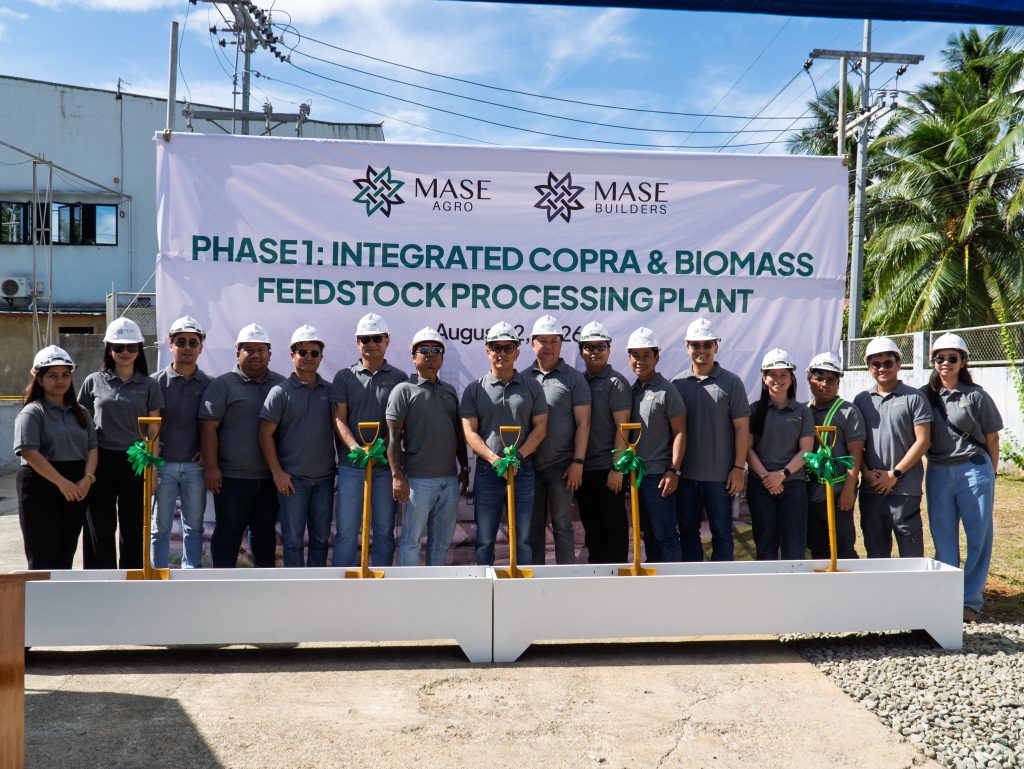
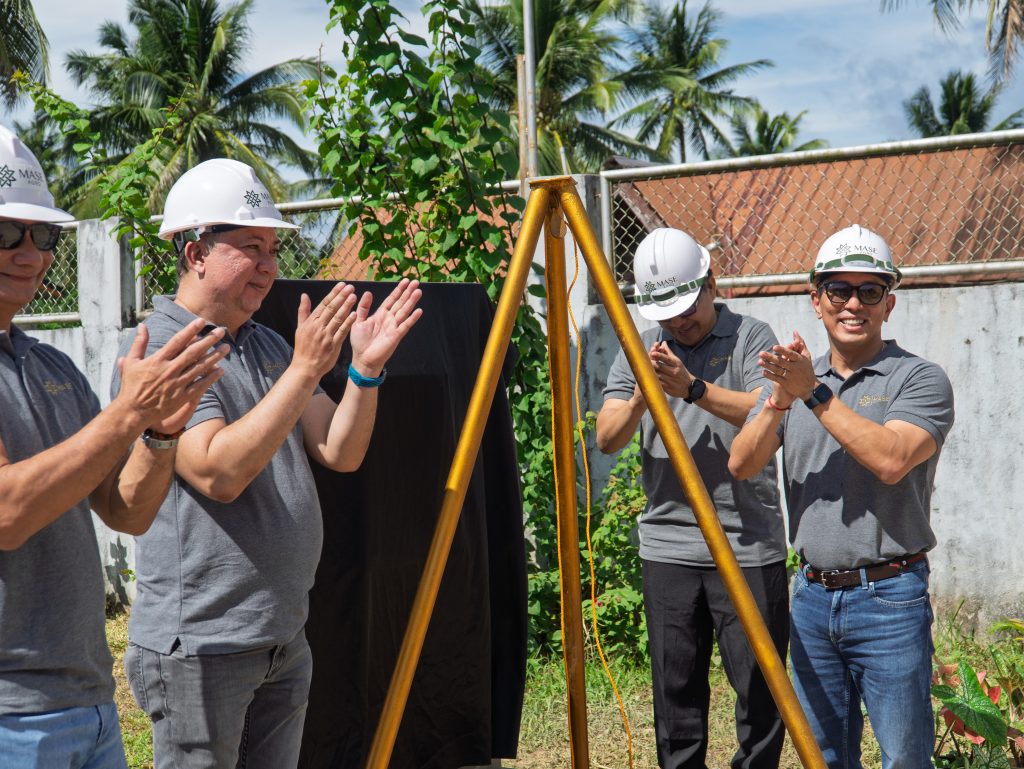
MASE AGRO Corporation (MAC) marked a significant milestone on August 12 with the groundbreaking of its Phase 1: Integrated Copra and Biomass Feedstock Processing Plant at the Renesons Energy Polillo Plant Site in Polillo, Quezon.
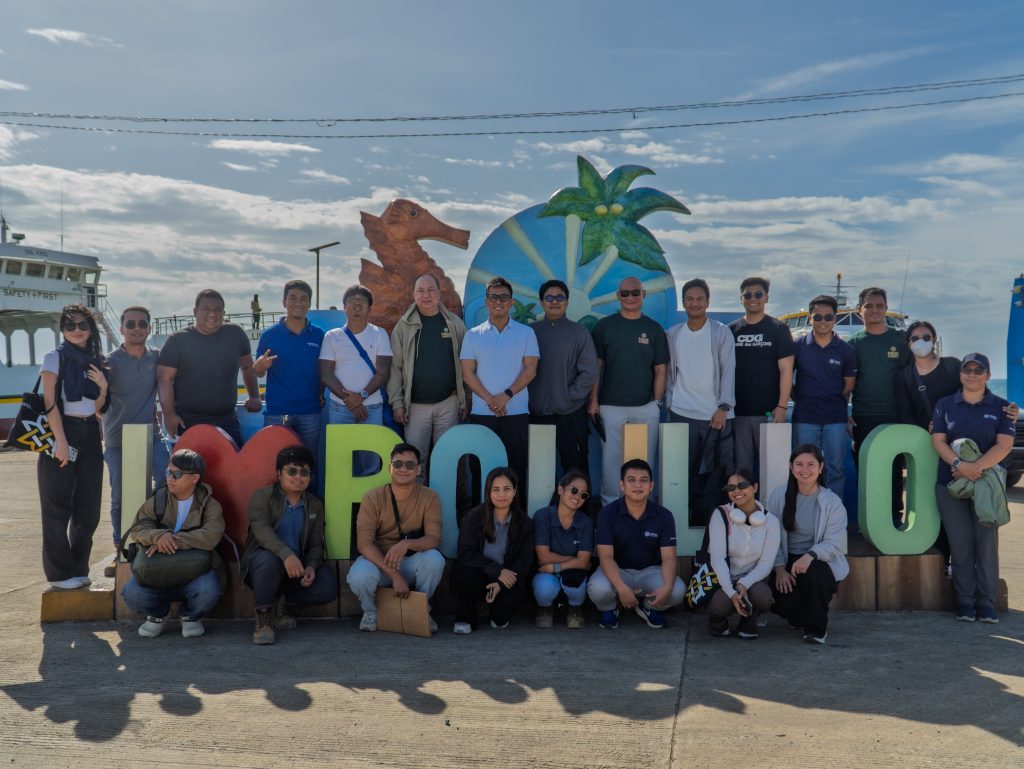
The ceremony brought together MASE Group President and CEO Gerwyn P. See, along with key members of the MBI, REP, and MAC teams, as the project moved from plans into action. The event included a project message from the CEO, the laying of a time capsule, the groundbreaking proper, and the installation of an acrylic project marker.
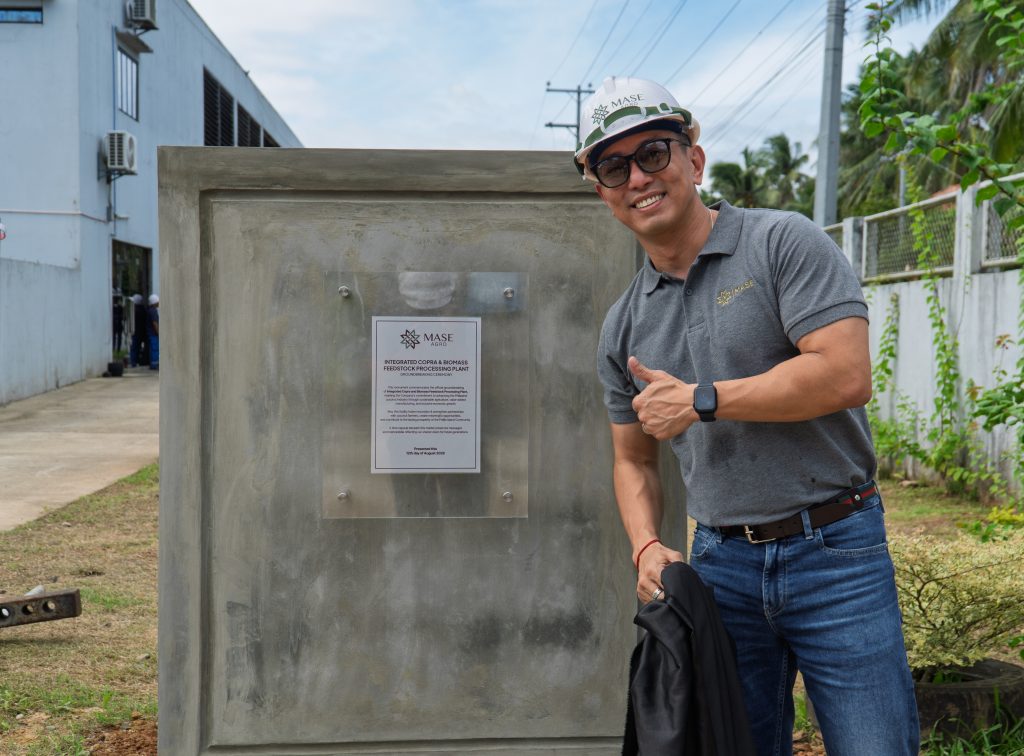
“We are not just breaking ground, we are grounding ourselves in what we are building. More importantly, why we are building it.”
For MASE Agro, that “why” begins with Polillo’s coconut-producing communities and the opportunity to create greater value from resources already available on the island.
Turning Local Resources into Greater Value
At the heart of Phase 1 is a more direct connection with Polillo’s coconut-producing communities.
Ahead of full industrial-scale operations, Phase 1 establishes the foundation for MAC’s Baak Sourcing & Buying Program through the Polillo Split-Coconut & Feedstock Facility in Barangay Sibulan, Polillo, Quezon.
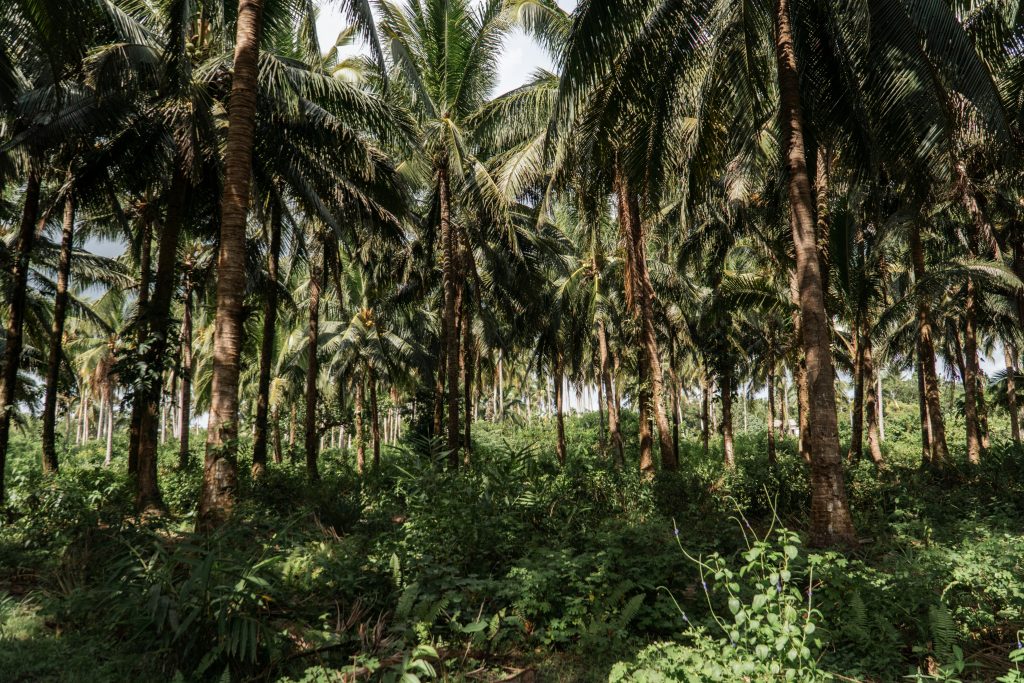
The facility will support the direct procurement of split-dewatered coconuts, or baak, from farmers and cooperatives across Polillo, Burdeos, and Panukulan. By providing a more direct and reliable market for locally sourced coconuts, the initiative aims to help address a practical challenge for producers: the deterioration of coconuts when they remain unsold for extended periods.
Beyond purchasing the raw material, the facility is designed to create greater value from the coconut by putting its major components to productive use.
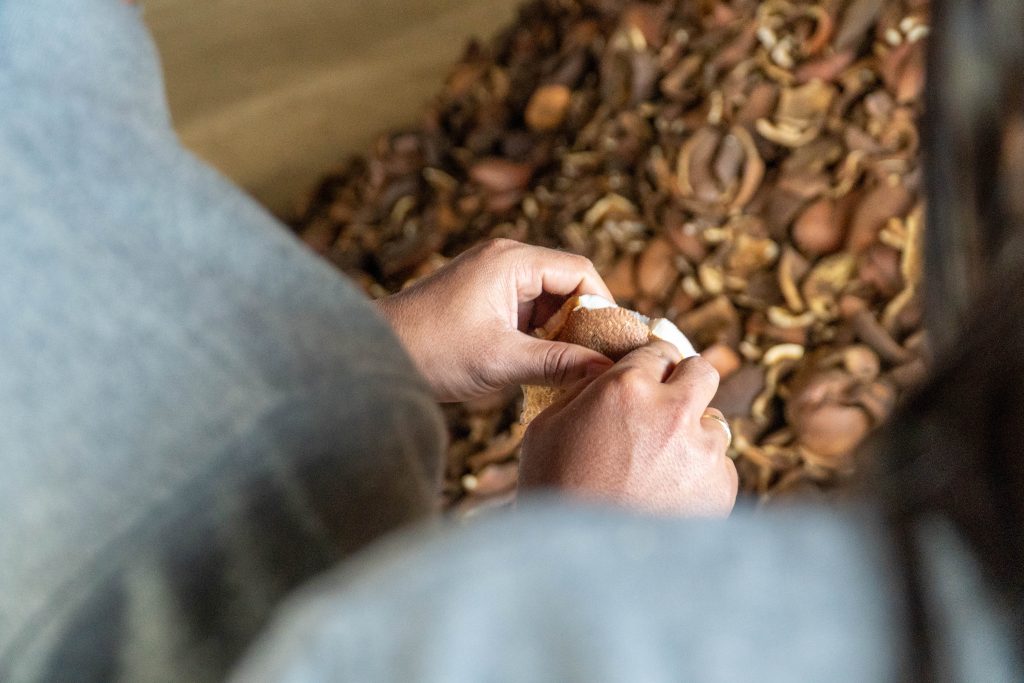
The first output is premium white copra, with coconut meat processed through mechanical kiln-drying systems to produce high-grade copra for major industrial oil mills across the mainland.
The second is biomass feedstock. Coconut shells that would otherwise be treated as waste are crushed, preparing them for use as a renewable fuel source.
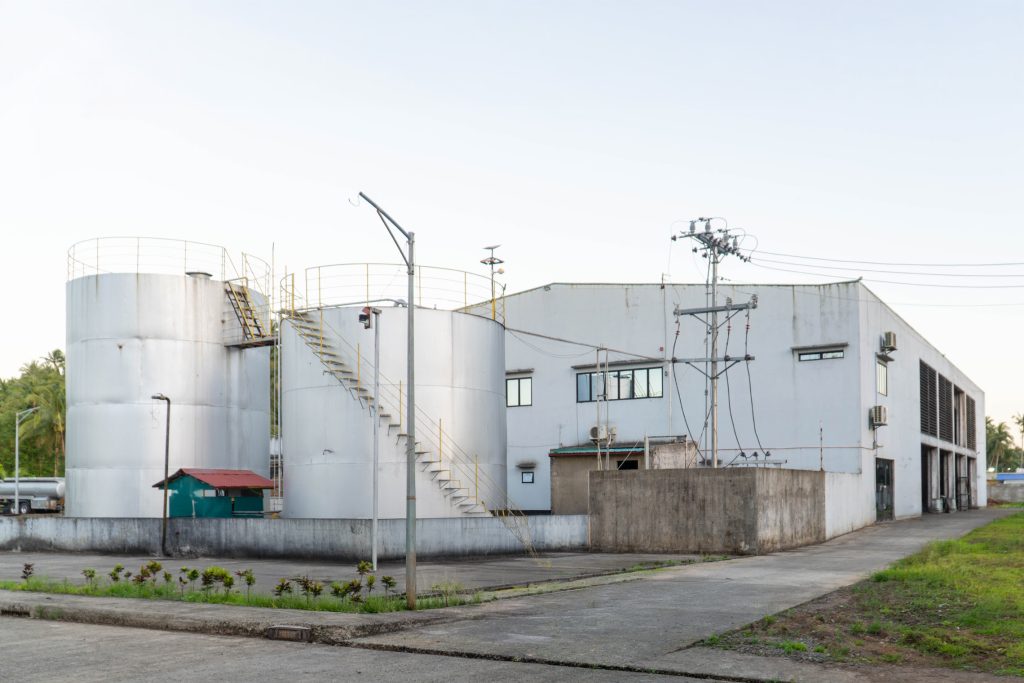
Together, these processes create a more integrated value chain where one local resource can support agriculture, industry, and energy.
From Coconut By-Product to Island Energy
The project’s value extends beyond coconut processing. Through biomass, MASE AGRO’s agricultural operations will also connect with Polillo’s energy needs.
The sized coconut-shell feedstock will be supplied to Renesons Energy Polillo Inc. (REP) to help support its biomass operations and the delivery of reliable baseload power on the island.
What begins as a coconut harvested by a local producer can therefore create value in more than one way its meat processed into copra and its shell prepared as biomass feedstock for energy generation.
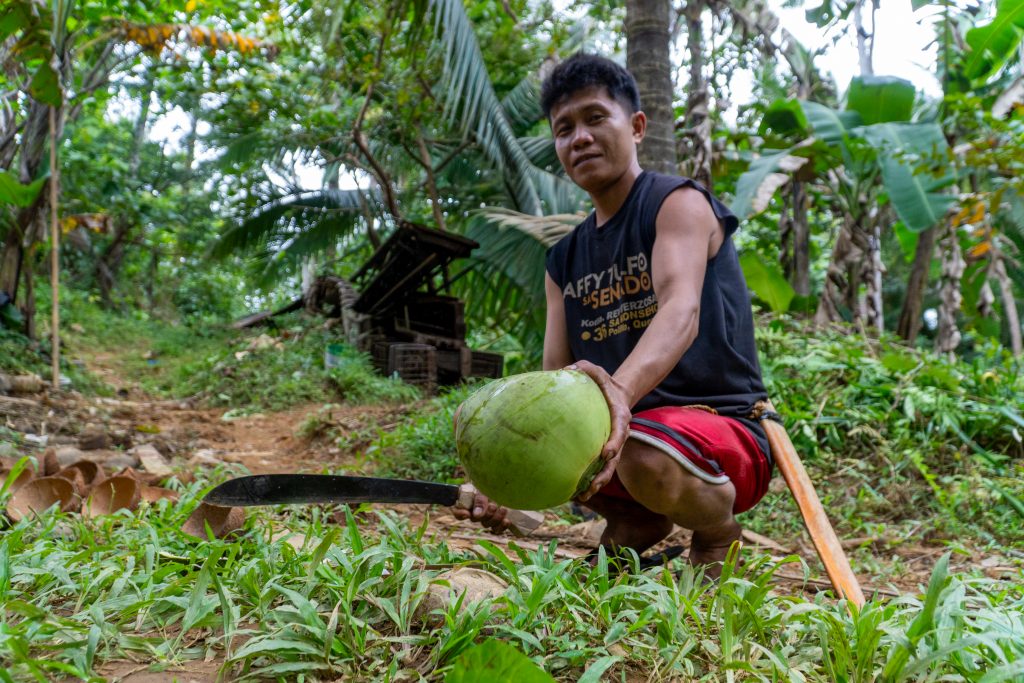
This connection demonstrates how resources within the local economy can be used more efficiently, creating value across different stages of the same ecosystem.
As Mr. See noted during the groundbreaking: “With MASE AGRO we build a platform for copra and coconut processing, where even the byproducts like coconut shell become feedstock for our biomass operations.”
By connecting agriculture and energy, the project demonstrates how MASE Group businesses can work together to create greater and more sustainable value from locally available resources.
Building What Comes Next
The groundbreaking marks the beginning of a larger ambition: to build an integrated model that connects local sourcing, productive processing, and energy generation in a way that can endure over time.
Mr. See emphasized, the objective goes beyond completing the facility:
“Make it work, to make it sustainable.”
That principle gives the project its direction. Phase 1 is not simply about putting up another processing facility. It is about building a system where resources already present in Polillo can move through a connected cycle from local producers, to processing, to productive use in industry and energy.
For MASE AGRO, the groundbreaking represents a step and commitment toward an integrated local value chain, one that creates greater value from Polillo’s resources, strengthens opportunities for coconut-producing communities, and supports more sustainable energy for the island.
By putting more of every coconut to productive use, MASE AGRO is building not only for today’s operations, but for the long-term progress of the communities it serves.